Learn why medical evacuation and repatriation coverage is vital for nomads in 2026. Compare costs, hospital choice, and emergency transport benefits today.
Medical evacuation and repatriation coverage is the most expensive and vital part of nomad insurance. While many travelers focus on the cost of a doctor’s visit, the price of being airlifted out of a remote jungle or back to your home country can reach six figures. In 2026, as more remote workers explore “off-the-beaten-path” destinations, having a plan to get to a high-quality hospital is a non-negotiable safety requirement.
1. The Survival Difference: Evacuation vs. Repatriation
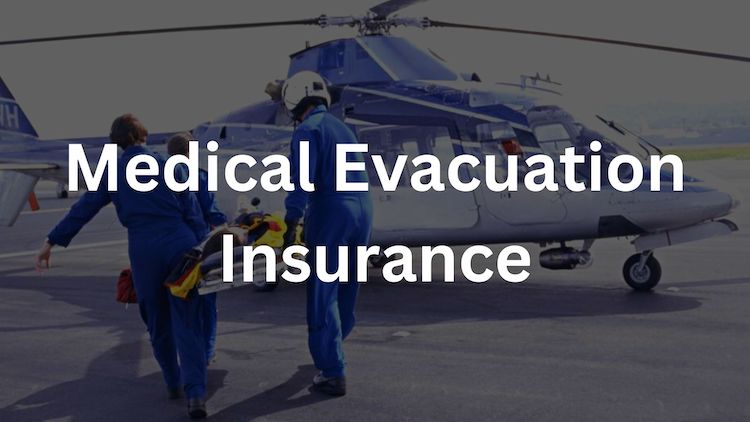
Understanding the technical side of medical evacuation and repatriation coverage is essential for choosing the right plan. “Medical Evacuation” refers to the emergency transport from the site of an accident to the nearest “adequate” medical facility. If you are surfing in a remote part of the Philippines and suffer a spine injury, this coverage pays for the helicopter or plane to take you to a specialist hospital in Manila or Singapore.
“Repatriation,” on the other hand, is about getting you back to your home country. This usually happens once you are stabilized but still require long-term care or surgery that is better handled by your primary doctors at home. Without medical evacuation and repatriation coverage, you might be stuck in a foreign ward for months simply because you cannot afford the $50,000+ cost of a medical escort and a stretcher on a commercial flight.
2. High Stakes and Six-Figure Costs
Why is medical evacuation and repatriation coverage so critical? Because the costs are bankrupting. A standard air ambulance flight from Southeast Asia to the United States or Europe can cost between $150,000 and $250,000.
- Short-range helicopter rescue: $15,000 – $30,000
- Long-range private air ambulance: $100,000 – $200,000+
- Commercial stretcher with medical escort: $25,000 – $50,000
Most credit cards and standard health plans do not cover these international logistics. Dedicated medical evacuation and repatriation coverage ensures that the insurance company handles the payments and complex aviation permits while you focus on recovery.
3. The “Hospital of Choice” Benefit
Standard medical evacuation and repatriation coverage typically transports you to the nearest facility that can treat you. However, in 2026, premium nomad plans often include a “Hospital of Choice” benefit. This allows you to request a transfer to a specific hospital you trust, rather than being limited to the one the insurance company chooses.
This is particularly important for digital nomads who have preferred specialists or family members in specific cities. Checking if your medical evacuation and repatriation coverage includes this flexibility is a smart move before signing a long-term contract.
4. Coordination in a Crisis
When a medical emergency strikes, the last thing you want is to be calling local charter flight companies. A major benefit of medical evacuation and repatriation coverage is the 24/7 assistance team. These professionals coordinate with treating physicians, arrange flight crews, and manage border crossings.
They act as your advocate, ensuring that the level of care you receive during transport meets international standards. This “bed-to-bed” service is the hallmark of high-quality medical evacuation and repatriation coverage, providing a seamless transition from the foreign hospital to the air ambulance and finally to your destination facility.
5. Repatriation of Remains: The Tragic Reality
While no one likes to think about it, medical evacuation and repatriation coverage also includes the “repatriation of remains.” If the unthinkable happens while you are working abroad, this benefit covers the immense logistical and financial burden of returning a body to your home country. This protection is a final act of care for your family, sparing them from navigating international death bureaucracies and high shipping costs during a time of grief.
Comparison of Coverage Limits (2026 Estimates)
| Provider | Evacuation Limit | Repatriation Limit | Key Feature |
|---|---|---|---|
| SafetyWing | $100,000 (Lifetime) | Included in Max | Low-cost subscription |
| Cigna Global | Unlimited (Gold/Platinum) | Full Refund | Hospital of Choice options |
| GeoBlue | $500,000+ | Full Refund | Elite U.S. coordination |
| Allianz Care | €1,000,000+ | Full Refund | Rapid digital approval |
Final Verdict: Is it Worth It?
If your travels take you anywhere further than a few hours from a major international city, medical evacuation and repatriation coverage is mandatory. The peace of mind knowing that a $200,000 bill won’t end your nomadic career is worth every penny of the premium.
For those concerned about maintaining heart health while living the high-travel lifestyle, you can find expert resources at cardiachq.com. If you are looking for tips on sustainable living and the latest in electric mobility for your next destination, head over to evdrivetoday.com.
Have you ever checked the evacuation limits on your current policy? Many nomads realize too late that their $25,000 limit won’t even cover a domestic helicopter! Check your fine print today, and tell us in the comments if you’ve ever had to use emergency transport.
Would you like me to help you find the specific “Hospital of Choice” clauses in the terms and conditions of your top three insurance choices?
Leave a Reply