Ready to turn your wardrobe into cash? Learn how to sell your old clothes on Depop or Poshmark with this step-by-step guide for beginners.
If your closet is bursting with clothes you no longer wear, you are sitting on a goldmine. This guide on how to sell your old clothes on Depop or Poshmark will show you exactly how to turn that clutter into cash. These apps make it simple to list items, connect with buyers, and ship your sales. You do not need any special experience. You just need a smartphone, some good lighting, and a willingness to learn. Let us walk through the entire process, from choosing the right platform to packing your first sale.
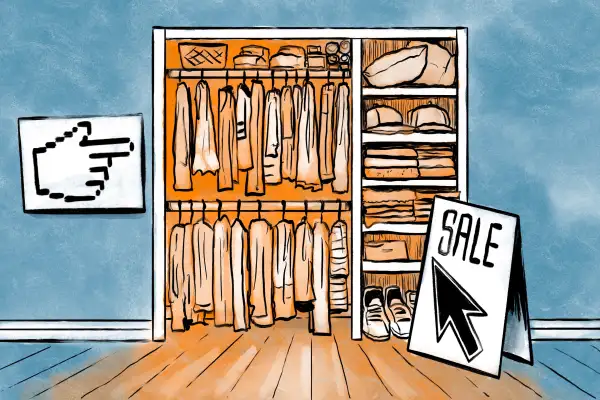
Why Sell Your Clothes Online?
How to Sell Your Old Clothes on Desktop or Poshmark:How to Sell Your Old Clothes
Selling secondhand clothing has exploded in popularity. It is good for your wallet and good for the planet. Instead of letting old clothes sit in a landfill, you give them a second life. Plus, you earn money that you can save or spend on new things.
The best part is that anyone can do it. You do not need a business license or a storefront. Apps like Depop and Poshmark handle the hard parts. They provide the audience and the payment system. You just provide the items and the effort. Understanding how to sell your old clothes on Depop or Poshmark opens up a flexible, fun side hustle.
Depop vs. Poshmark: Which One is Right for You?
Before you start taking photos, you need to choose your platform. Depop and Poshmark serve different audiences and work in different ways. Picking the right one for your items makes a huge difference in how fast they sell and how much money you make .
Depop: The Trendy, Visual Marketplace: How to Sell Your Old Clothes
Depop feels a lot like Instagram. You scroll through a feed of items, like photos, and follow shops you enjoy. The audience is mostly Gen Z and younger millennials. They love vintage, streetwear, Y2K fashion, and unique, curated pieces .
If your closet is full of band tees, oversized denim, or indie brand finds, Depop is your best bet. Sellers often build a personal brand and style their photos to look aesthetic. The vibe is creative and community-driven . About 90% of Depop’s users are under the age of 35, making it the go-to for trendy fashion .
Poshmark: The Community-Driven Boutique: How to Sell Your Old Clothes
Poshmark attracts a slightly older crowd, from their mid-20s to mid-40s. Shoppers here look for mainstream brands like Lululemon, Madewell, Nike, and J.Crew . The platform is less about “vibes” and more about clear, clean listings.
Poshmark runs on “shares.” You share your own listings and others’ to gain visibility. It has a strong community feel with “Posh Parties” where sellers share items from specific categories . If you have workwear, athleisure, or contemporary brands, Poshmark is a powerful platform.
Quick Comparison: How to Sell Your Old Clothes
To help you decide, here is a simple breakdown:
- Fees: Depop takes 10% plus a small payment processing fee (around 2.9% + $0.30). Poshmark takes a flat 20% on sales over $15, but this includes the shipping label .
- Shipping: On Depop, you set your own shipping prices and buy labels yourself. On Poshmark, they provide a prepaid, discounted label automatically .
- Best For: Depop is best for vintage, unique, and trendy items. Poshmark is best for branded, everyday wear .
Many successful sellers use both platforms. They list their trendy items on Depop and their brand-name basics on Poshmark. This strategy helps you reach the widest possible audience .
Step 1: Audit Your Closet and Gather Supplies
Walk through your closet and pull out anything you no longer wear. Be honest. If you haven’t worn it in a year, it is time to let it go. Look for items in good condition. Small flaws are okay if you mention them, but major stains or tears are hard to sell.
Once you have your pile, gather your supplies. You will need:
- A smartphone or camera
- Good natural lighting (near a window is perfect)
- A plain background (a white wall or clean floor works)
- Measuring tape
- Shipping supplies (poly mailers or boxes, tape, a printer)
Step 2: Prepare Your Items for Sale
First impressions matter online. Wash or dry clean everything. A fresh smell makes a huge difference. Steam or iron out any wrinkles. Remove any pet hair. Your items should look as close to new as possible.
Check for any loose threads or missing buttons. Fix what you can. If there is a flaw you cannot fix, be honest about it in your listing. Transparency builds trust with buyers .
Step 3: Take High-Quality Photos
Photos are the most important part of your listing. Bad photos mean no sales. Use natural daylight. Set up near a window and avoid using your flash, which can create harsh shadows.
Take multiple shots:
- A front view of the item
- A back view
- Close-ups of unique details (embroidery, buttons, fabric texture)
- Close-ups of the tag (to show brand and size)
- A shot of any flaws (this is crucial for honesty)
If you can, include a “lifestyle” shot. This means wearing the item or styling it on a mannequin. It helps buyers imagine how it looks on a real person. For Depop, lifestyle shots are especially powerful . For Poshmark, clean flat lays on a neutral background work perfectly .
Step 4: Write Detailed Descriptions
Your description needs to answer every question a buyer might have. Start with the brand, size, and color. Then describe the condition. Be specific. “Great condition” is vague. “Worn twice, no stains, no smells” is better.
Always include measurements. Sizes vary wildly between brands. Measure the pit-to-pit (armpit to armpit), the length from shoulder to hem, and the waist for bottoms. This simple step reduces returns and builds trust .
Finally, add some styling notes. Say something like, “This oversized blazer looks great with jeans and sneakers for a casual look.” This helps buyers see the value in your item.
Step 5: Price Your Items Competitively
Pricing can be tricky. You want to make money, but you also want to sell. Search for similar items on the platform you are using. Look at sold listings to see what people actually paid . This gives you a realistic target.
Factor in the platform’s fees. If you want to earn $20 from a Depop sale, you might need to list it around $23 to cover the 10% fee and shipping costs. On Poshmark, you need to account for the 20% fee. Build these costs into your price so you are not surprised by your final payout.
Remember, you can always accept offers. Many buyers expect to negotiate. Leave a little room in your price so you can say yes to a reasonable offer and still make a profit .
Step 6: Create Your Listing
On Depop, you write a casual, engaging caption. Use relevant hashtags like #Y2K, #Vintage, or #Streetwear to help people find you . On Poshmark, focus on keywords in the title. Include the brand and item type, like “Lululemon Align Leggings Size 6” .
Upload your best photo as the cover image. This is what people see first in search results. Make it eye-catching. Fill in all the required fields like category, size, and condition.
Step 7: Promote and Engage
Listing your items is just the beginning. On Poshmark, you need to share your listings regularly. Sharing pushes them back to the top of search results. Aim to share your closet at least once a day. Also, share other people’s items. It builds community and they often share back .
On Depop, engagement matters too. Follow other sellers, like items, and reply to messages quickly. The algorithms on both platforms reward active users. Consistency is key. Sellers who list a few items every day see much better results than those who list 20 items once a month .
Step 8: Handle Offers and Negotiations
Be ready for offers. On Poshmark, buyers can send offers through the app. You can accept, counter, or decline. On Depop, buyers will message you directly. Respond politely, even if the offer is low. A simple “Thank you for your offer, but I can’t go that low. I could do $18” keeps the conversation positive .
Set a “lowest price” in your head before you start negotiating. This helps you make quick decisions without getting emotionally attached to the item.
Step 9: Pack and Ship Your Items
When something sells, do not wait. Pack it carefully. Fold it neatly and place it in a poly mailer or box. If the item is delicate, wrap it in tissue paper. Include a small thank-you note. It is a simple touch that makes buyers happy and can lead to repeat business .
Print your shipping label. On Poshmark, you print the label they provide. On Depop, you will need to buy a label through a service like Pirate Ship or at the post office. Tape the label securely and drop the package off at the post office or schedule a pickup.
Ship within one to two days. Fast shipping leads to great reviews.
Step 10: Leave Feedback and Build Reputation
After the buyer receives their item, leave them feedback. A simple “Great buyer, fast payment” is perfect. Positive reviews build your reputation. They make future buyers trust you more.
Over time, as you accumulate five-star reviews, your items will rank higher in searches. Your reputation is your most valuable asset on these platforms. Protect it by being honest, communicative, and reliable.
Common Mistakes to Avoid
Many new sellers make the same errors. Avoid these pitfalls to succeed faster.
- Bad photos: Dark, blurry photos kill sales. Invest time in good lighting.
- Vague descriptions: Buyers need details. Always include measurements and condition notes.
- Ignoring fees: Price your items so that fees do not eat your profit .
- Slow shipping: Buyers expect quick dispatch. Ship within two days.
- Poor communication: Reply to messages promptly. It builds trust.
Is It Worth It?
Absolutely. Selling clothes online teaches you valuable skills. You learn about photography, writing, customer service, and shipping. Plus, you earn real money. Some sellers turn it into a full-time business. Even as a casual side hustle, it can easily pay for a night out or help you save for something special.
Remember the story of Maria, a teacher who started selling her old Zara pieces and made over $3,000 a month by treating it like a real business . Or Trent, who hit $200,000 in sales his first year by being consistent and treating reselling like a job . You may not hit those numbers right away, but with effort, you can absolutely build a profitable side hustle.
Conclusion
Learning how to sell your old clothes on Depop or Poshmark is a skill that pays off again and again. Every time you clean out your closet, you have new inventory to sell. The process is simple: photograph, list, sell, ship. With practice, you will get faster and better at it.
For more resources on managing your side hustle income and balancing work with school, be sure to visit evdrivetoday.com. We have guides to help you succeed financially.
Now, we want to hear from you! Have you tried selling on Depop or Poshmark? What was your first sale? Drop a comment below and share your story with our community.
Leave a Reply